Lactose Free Protein Shakes for Breakfast and Muscle Recovery: High Fiber Meal Ideas
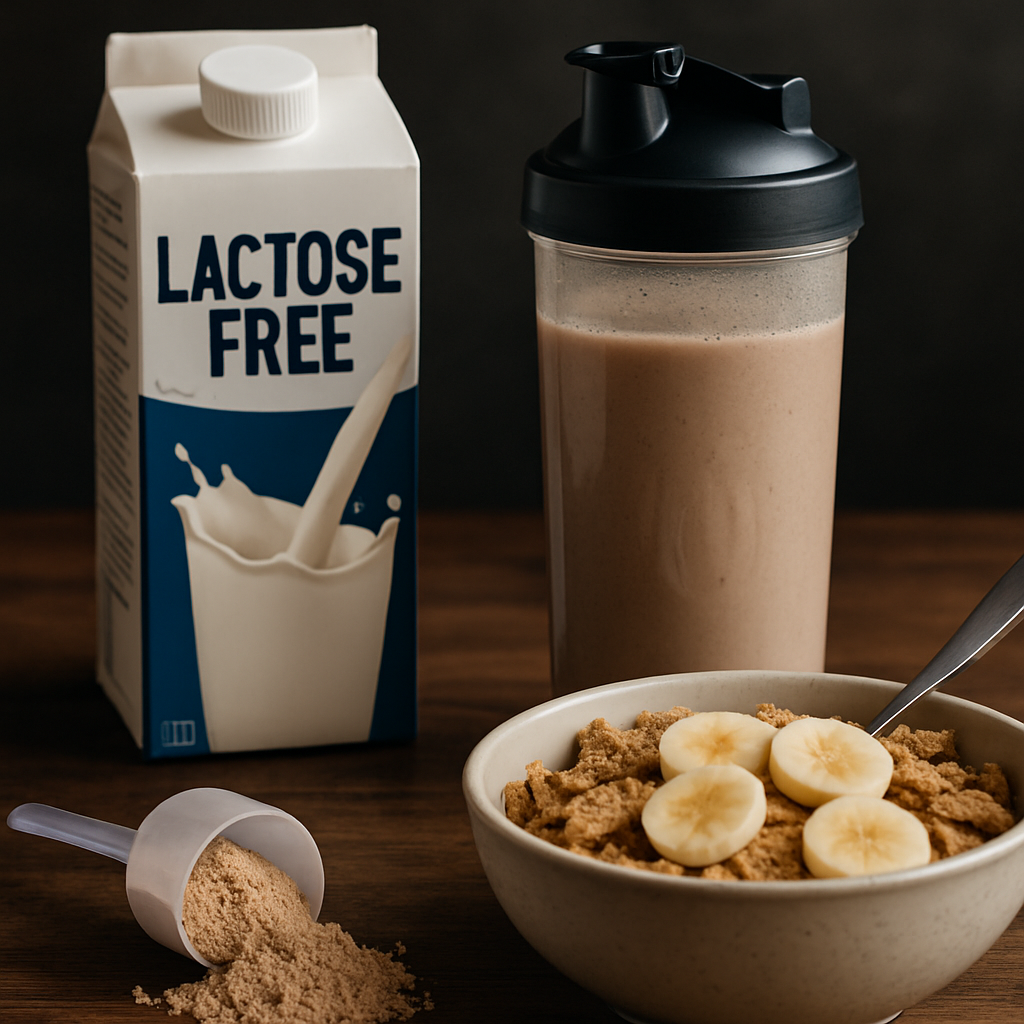
Understanding Lactose Free Protein Shakes and Their Role in Breakfast Nutrition
Lactose free protein shakes provide a practical solution for individuals seeking a high protein breakfast without the digestive discomfort associated with dairy lactose. These shakes blend plant based or whey isolate proteins with easy-to-digest ingredients, making them a smart choice for anyone balancing a busy morning routine with personal nutrition goals. They support muscle recovery, help control cravings, and offer versatility for those with lactose intolerance or anyone aiming to improve their dietary quality from their first meal of the day.
Integrating these shakes into your breakfast routine means you do not have to sacrifice protein intake or taste. By selecting high fiber add-ins—like chia seeds, vegetables, or oats—you can also support digestive health and stave off mid-morning hunger. This approach fits effortlessly into meal prep plans for weight management or athletic recovery.
Lactose free options are now broadly available, ranging from ready-to-drink brands to customizable powders you can blend at home. Many lactose free protein shakes use alternative bases such as almond, soy, pea, or hemp milks.
Best Ingredients for Muscle Recovery and Fiber Intake
When optimizing your shake for muscle recovery, focus on high quality protein sources and pair them with complex carbohydrates and dietary fiber. Using a combination of plant based protein powders, whey isolates, or pea proteins ensures you meet your muscle building and repair needs without lactose. Fiber rich add-ins—such as ground flaxseed, spinach, or berries—not only promote satiety but aid in steady energy release throughout the morning.
Consider incorporating these ingredients to get the most from your breakfast shake:
- Unsweetened nut milks (almond, cashew, or soy)
- Pea or hemp protein powder for complete amino acid profiles
- Chia or flaxseeds to increase fiber and healthy fats
- Bananas or oats for smoothness and sustained energy
Modify your mix for your specific needs: Athletes may want to add extra protein for muscle recovery, while those monitoring calories can focus on low sugar add-ins.
See more about healthy breakfast protein strategies at Colorado State University, including how to complement your shake with food-based high-protein meal ideas.
Integrating High Fiber, Lactose Free Protein Shakes into a Meal Prep Plan
Creating a meal prep plan around lactose free shakes is straightforward. Prepare bulk servings of ingredients like chopped spinach, pre-cooked oats, or measured protein powder at the start of the week. Each day, blend your portion with a non-dairy liquid and your choice of fruits or nut butters for variety. This system supports consistent nutrition and saves valuable morning time.
Storing shakes in the fridge for grab-and-go convenience ensures you stay on track with your goals even in a rush. You can also rotate ingredients daily to keep your breakfast experience fresh, using flaxseed for omega-3s, berries for antioxidants, and nut butters for additional protein and flavor.
For those looking for more inspiration and exact recipes, explore the high-protein breakfast options found at The Real Food Dietitians.
Benefits Beyond Breakfast: Supporting Weight Management and Overall Health
Lactose free protein shakes are not only effective for breakfast but serve as convenient snacks or meal replacements during hectic days. Their high protein and fiber content foster satiety, regulate blood sugar levels, and may reduce cravings for sugary or processed foods. This makes them powerful tools for anyone aiming to maintain or lose weight while preserving lean muscle mass.
Furthermore, lactose free protein options appeal to those with dairy sensitivities, plant based eaters, or anyone wishing to lower their saturated fat intake. By incorporating a variety of quality proteins and fibers, these shakes contribute to a balanced, nutrient dense diet.
Consider them as part of a broader meal plan that might also include easy breakfast alternatives like protein pancakes, smoothies, or breakfast burritos for additional interest and nutritional diversity. Full recipes and tips for these balanced meals are outlined in the high-protein breakfast roundup from Colorado State University (see source).
Best Practices for Selecting and Preparing Lactose Free Shakes
For the best taste and nutrition, read labels carefully to avoid added sugars or artificial additives in pre-made shakes. Look for powders specifying complete amino acid profiles and high fiber content, or customize your own blends with whole foods. Always ensure your shakes align with your individual dietary needs—whether you are focused on muscle recovery, weight loss, or simply want a filling breakfast without eggs or conventional dairy.
Prioritize variety throughout the week by exploring different flavor combinations. Adding cinnamon, cocoa powder, or vanilla extract can enhance taste without extra calories.
By incorporating these tips, lactose free protein shakes become a flexible core of a nutritious, satisfying breakfast routine that supports digestive health, muscle function, and lasting fullness.
Start your day with an expertly crafted, high fiber, lactose free protein shake, and experience the difference in energy, satisfaction, and nutritional quality.


Comments
Post a Comment