High Volume Low Calorie Foods: Protein, Fiber Meals, and Easy Ideas for Every Diet Plan
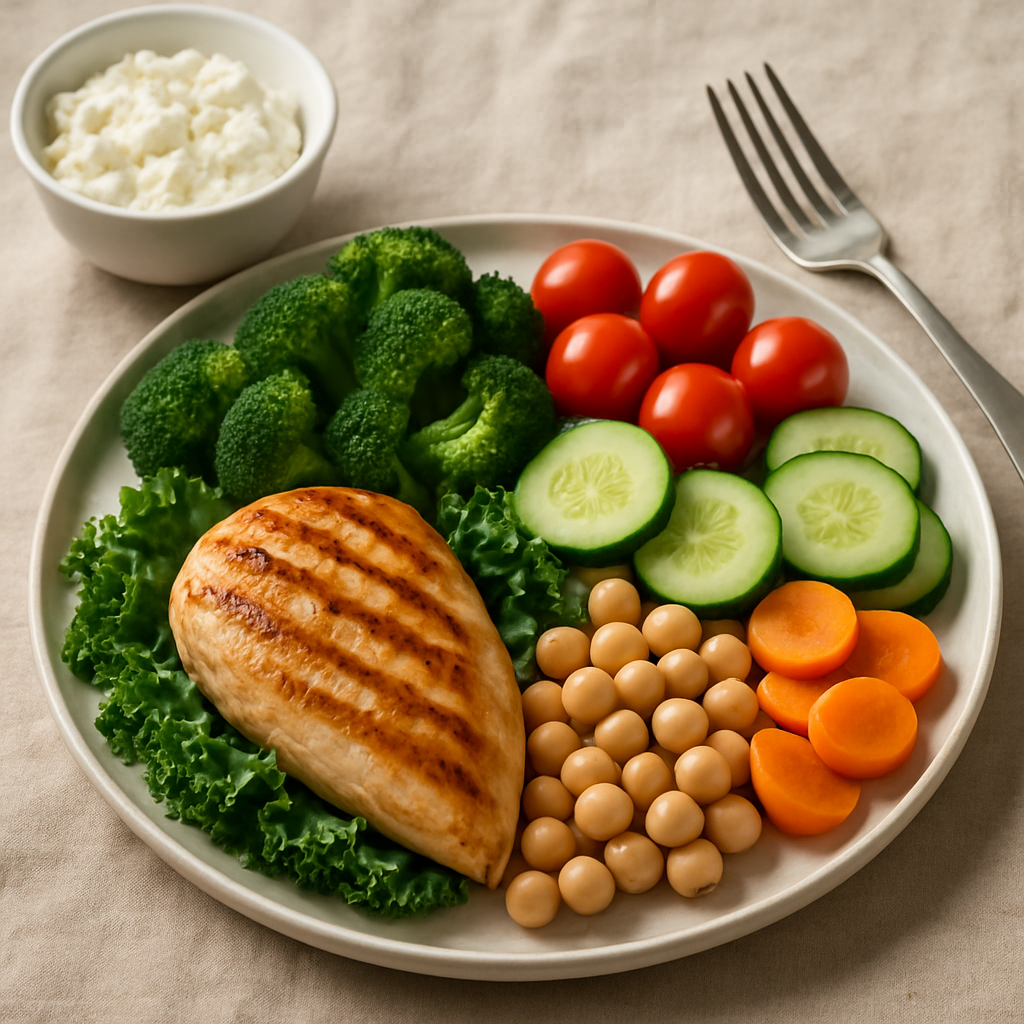
Nutrient-Dense Eating: Maximizing Volume, Minimizing Calories
High volume low calorie foods are ideal for anyone seeking satiety, nutrition, and enjoyment while controlling calorie intake. These foods, packed with water, fiber, or protein, allow you to enjoy generous portions without exceeding your dietary goals. Incorporating high volume ingredients—like protein-rich beans and fiber-loaded vegetables—can help you design satisfying, low-calorie meals suitable for diverse meal plans, including vegetarian and clear liquid diets, as well as specialized routines like FODMAP or carnivore.
The Role of Protein and Fiber in Satisfying Meals
Protein and fiber are essential components when aiming for high satiety with low caloric cost. Legumes, such as beans and lentils, offer plant protein and soluble fiber, helping regulate blood sugar and hunger. They also contribute to a feeling of fullness, which is important for weight management and sustained energy.
High fiber foods like cruciferous vegetables (broccoli, cauliflower, and Brussels sprouts) and leafy greens (spinach, romaine, and kale) can bulk up meals with few added calories. Consuming a variety of these vegetables, either raw or cooked, helps support healthy digestion while promoting satiety.
Incorporating protein and fiber together—for example, in a lentil soup or black bean salad—can be especially effective for keeping meals satisfying and calorie-controlled. This balance is crucial for individuals focused on satiety, weight control, or blood sugar regulation. For more about 'high' concentration of nutrients in foods, see the Wiktionary definition.
Creative Meal Ideas and Versatile Recipes
Building a meal plan around high volume low calorie foods is easier with inspiration. Consider vegetable-based meals, such as stir-fries combining mushrooms, peppers, and leafy greens, or hearty soups anchored by anti-inflammatory vegetables like tomatoes and carrots. Beans not only add protein but, as part of a crockpot chili, boost fiber and flavor.
Snack options include carrot sticks, celery with hummus, or banana slices topped with a small dollop of nut butter for a sweet and filling treat. Bananas themselves can be featured in healthy breakfast recipes like banana bread or overnight oats—delivering natural sweetness and dietary fiber while keeping calories modest.
For dinner, try a carb-balanced bowl with roasted vegetables, a serving of brown rice, and grilled shrimp (a lean protein), considering health factors like potassium and phosphorus content for special dietary needs.
Customizing for Special Diets and Preferences
Individuals on a vegetarian diet will appreciate dishes featuring legumes, whole grains, and vegetables—a combination that naturally delivers high fiber and protein with low calorie density. Clear liquid diets can incorporate options like vegetable broths and strained purees, still providing volume despite the nutrient restriction.
For those managing FODMAP or SIBO concerns, focus on low-FODMAP veggies (such as zucchini and bell peppers) and appropriate protein sources like eggs or fish. High-fiber meal planning can be tailored to fit these needs without sacrificing taste or satisfaction.
Carnivore diet followers might focus on high-protein, low-calorie animal foods like shrimp, lean poultry, and eggs, adjusting preparation methods to avoid unnecessary fats or calorie additions.
Kitchen Tips and Shopping Strategies
Selecting high-volume, nutrient-dense foods doesn't need to be expensive. Frozen vegetables, canned beans (rinsed to reduce sodium), and affordable grains like buckwheat or brown rice allow you to build meals on a budget. Planning crockpot meals enables batch cooking for convenience and portion control.
At the store, look for whole, minimally processed vegetables and fruits, prioritizing items rich in fiber and micronutrients. Bulk purchases of in-season produce can save money and inspire inventive meal preparation at home.
Standard pantry staples—including oats, lentils, and rye sourdough—serve as the foundation for many high-fiber recipes. These foods are easy to integrate into your weekly rotation, whether you need a quick lunch or a healthy snack.
Understanding the Benefits and Balancing Your Diet
The benefits of prioritizing high volume low calorie foods are wide-ranging: you can enjoy more food per meal, reduce overall calorie intake, and improve digestive health. Research suggests that people who eat more fiber and protein tend to consume fewer total calories while maintaining greater satiety and better weight management. See additional related definitions and context at Collins Dictionary.
Including potassium-rich foods (like bananas or spinach) supports muscle and nerve function, while low-calorie, anti-inflammatory veggies may reduce bodily inflammation and boost overall wellness. Tailor your daily plan to your lifestyle and nutritional needs, tracking how many grams of fiber per day work best for you.
Whether your goal is weight loss, healthy weight gain, or simply a more enjoyable mealtime experience, a focus on high volume low calorie foods delivers nutrition and satisfaction in every bite.
Selecting a variety of protein and fiber-rich foods, experimenting with new recipes, and adjusting your approach based on your preferences and health needs can help you sustain a balanced, healthy diet over the long term.


Comments
Post a Comment