Do Probiotics Prevent Stomach Flu or Cause Stomach Pain, Gas, and Side Effects?
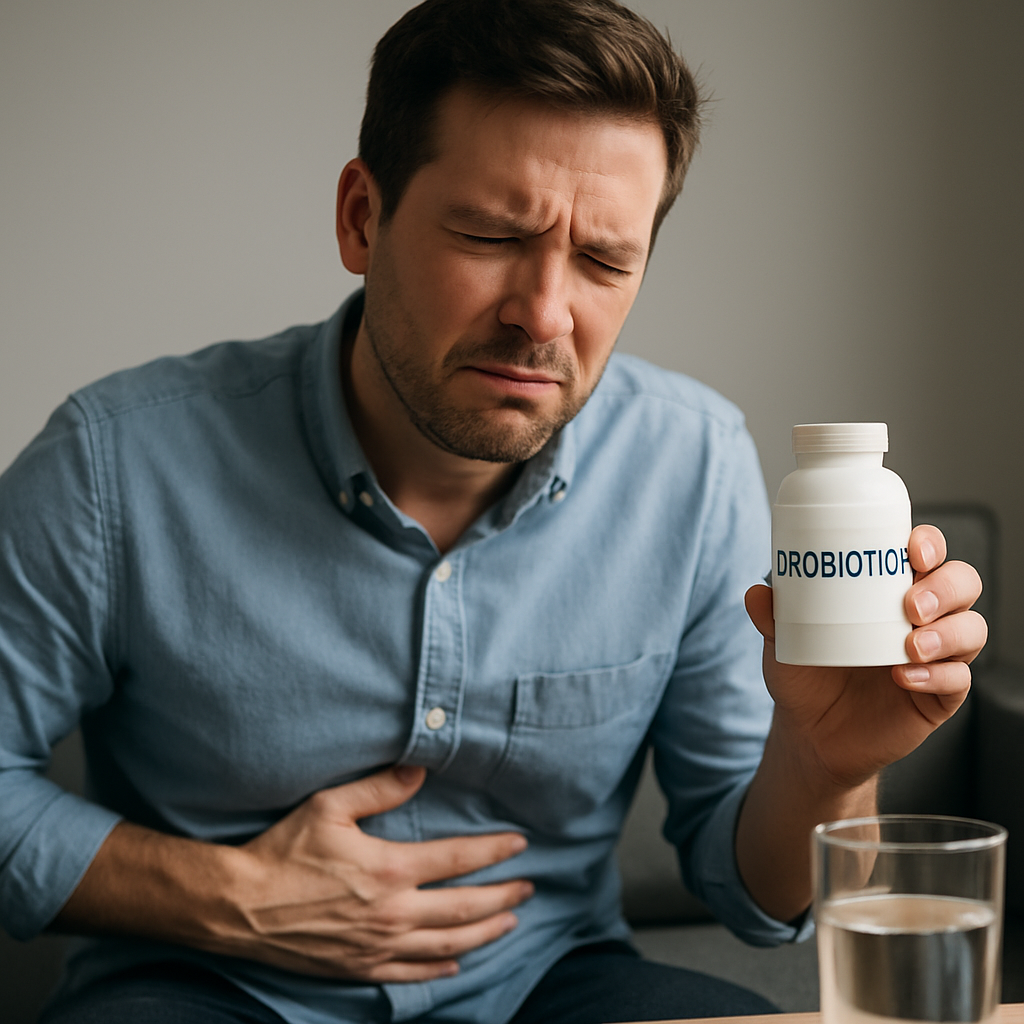
Understanding Probiotics and Their Role in Stomach Flu Prevention
Many people give children probiotics in hopes of preventing or reducing the symptoms of the stomach flu, also known as viral gastroenteritis. But recent research, including a large study led by Washington University School of Medicine, suggests that probiotics do not effectively stop children from catching the stomach bug or meaningfully reduce symptoms like vomiting, diarrhea, or stomach pain after taking probiotics. Instead, the use of certain probiotics, especially while recovering from viral infections, may have no measurable benefit and could sometimes trigger uncomfortable side effects such as gas, gurgling, and abdominal cramping. If you are concerned about how to prevent the stomach flu or manage stomach upset after antibiotics or other medications, it is important to understand what the latest evidence actually supports. (source)
Why Probiotics Are Popular for the Stomach Bug
Probiotics are marketed with claims that they restore gut flora balance, help prevent infections, and aid in faster recovery after illness. Parents may turn to probiotics when children or adults experience a stomach bug, hoping to prevent severe symptoms and flatten the duration of illness. This belief has been fueled by anecdotal reports and prodigious marketing efforts asserting that live bacteria, such as those in popular brands like Florastor, can help the stomach recover from a bug.
There is also a growing online discussion about whether taking probiotics can upset the stomach, cause pain, or make diarrhea worse. Some individuals feel that probiotics hurt their gut or trigger painful gas and pressure, especially when taken on an empty stomach or if doses are too high. Searching terms like "stomach pain after taking probiotics stopping too many" and "can probiotics cause severe gurgling and gas" are common among concerned parents and adults alike, as discussed in various forums and advice columns.
Despite the hype, high-quality controlled studies in children show little actual benefit for preventing or treating the stomach flu, even though many children in emergency rooms receive probiotics for flu-like gastrointestinal upsets. (Washington University Medicine)
Scientific Evidence: Do Probiotics Actually Prevent Stomach Flu?
While probiotics are generally considered safe for most people, the evidence shows that they do not prevent the stomach flu (gastroenteritis) in children or adults. A landmark study published in The New England Journal of Medicine evaluated nearly 1,000 children ages three months to four years. The researchers found that a commonly used probiotic did not make a significant difference in symptom improvement, duration, or severity compared to a placebo. This means that probiotics did not prevent the bug from taking hold or ease symptoms like diarrhea, cramping, and gurgling gas, even when given early in the illness.
The view that supplements like probiotics can flatten or shorten the course of a viral stomach flu is simply not supported by this robust clinical research. The study did not find meaningful differences in the rates of hospitalizations, frequency of vomiting, or pressure and gnawing pain issues, debunking the popular "probiotics prevent stomach flu" myth. For those concerned about side effects, it's worth noting that, while major problems are rare, some people do experience mild to moderate symptoms like cramps, bloating, and stomach pain after taking probiotics.
The U.S. Food and Drug Administration (FDA) does not regulate probiotic supplements with the same rigor as prescription drugs. Manufacturers can market them with general health claims, even when large clinical trials have not validated those claims. As research leaders warn, it's important for consumers and professionals to rely on medical evidence—not just promotional claims—when considering probiotics for stomach flu prevention. (Read more here)
Even children who are exposed to stomach bug outbreaks are not likely to prevent infection through probiotics. Preventative measures such as good hand hygiene, safe food handling, and limiting exposure to infected individuals remain far more effective than relying on probiotics. (Children's Health)
Potential Side Effects: Can Probiotics Cause Stomach Pain or Make Gas Worse?
For some people, taking probiotics—especially in large amounts or when starting abruptly—can trigger side effects such as abdominal pain, bloating, gurgling, and gas. While these symptoms are usually mild, they can be unpleasant and may mimic or worsen some of the discomfort experienced during the stomach flu or after antibiotic treatment.
There is no evidence that probiotics can directly "kill" the stomach bug or treat severe cramps, flatten an upset stomach, or provide notable relief from gnawing pain and pressure during a viral infection. If new or worse stomach pain appears after taking probiotics, it may be a good idea to stop temporarily and see if symptoms improve naturally.
People with underlying gastrointestinal disorders—such as ulcers, acid reflux, or sensitivities to certain probiotic strains—may be especially prone to developing side effects. Additionally, those combining multiple supplements such as florastor, nattokinase, or asmr aids should be extra cautious, as combinations can sometimes interact unpredictably. If stomach pain, gas, or discomfort persists, seek medical advice.
For most otherwise healthy children and adults, mild bloating or cramping resolves with time, especially when probiotic use is stopped or adjusted.
Safe Practices After Antibiotic Upset or the Stomach Flu
If you have recently completed a course of antibiotics or are recovering from a stomach bug, consider these practical steps instead of turning directly to probiotics:
- Eat a bland diet with easily digestible foods such as bananas, rice, applesauce, and toast (sometimes known as the BRAT diet).
- Stay well hydrated by sipping clear fluids and oral rehydration solutions to prevent dehydration caused by diarrhea or vomiting.
- Introduce fermented foods, like yogurt or kefir, if tolerated, as a gentler way to help restore gut balance after illness.
- Monitor for new or worsening symptoms, especially if you are taking medications such as ketorolac, naproxen, Advil, or others that could further upset your stomach lining.
Not all digestive upset after illness or antibiotics requires probiotics, and for many, the gut will heal naturally over a period of days. Discuss recovery options with your healthcare provider before starting new supplements. (More tips here)
When to Ask for Medical Advice About Probiotics or Stomach Issues
If your child or you develop severe abdominal pain, persistent diarrhea, vomiting lasting more than 48 hours, or symptoms that seem to worsen after taking probiotics, contact your healthcare provider. Likewise, anyone taking multiple gut-affecting substances—such as caffeine, certain medications, or high doses of probiotics—should watch for unusual symptoms and report them if they occur.
It's especially important to consult a doctor before using probiotics in situations involving chronic health conditions, immune suppression, ulcers, or after major infections. Stopping too many new supplements at once can make it hard to identify the real cause of side effects; introducing foods and new supplements slowly can help avoid unintentional upset.
Remember that evidence-based prevention, such as careful handwashing, avoiding shared utensils during outbreaks, and resting during periods of bug exposure, are the best proven ways to prevent the spread or onset of stomach flu. (Learn more about prevention here)
Ultimately, while probiotics remain generally safe, relying on them to prevent stomach flu or eliminate symptoms like cramps and pressure is not supported by the latest clinical evidence, especially in young children.


Comments
Post a Comment