What is the Definition of Plantation Farming in Traditional Arable Systems?
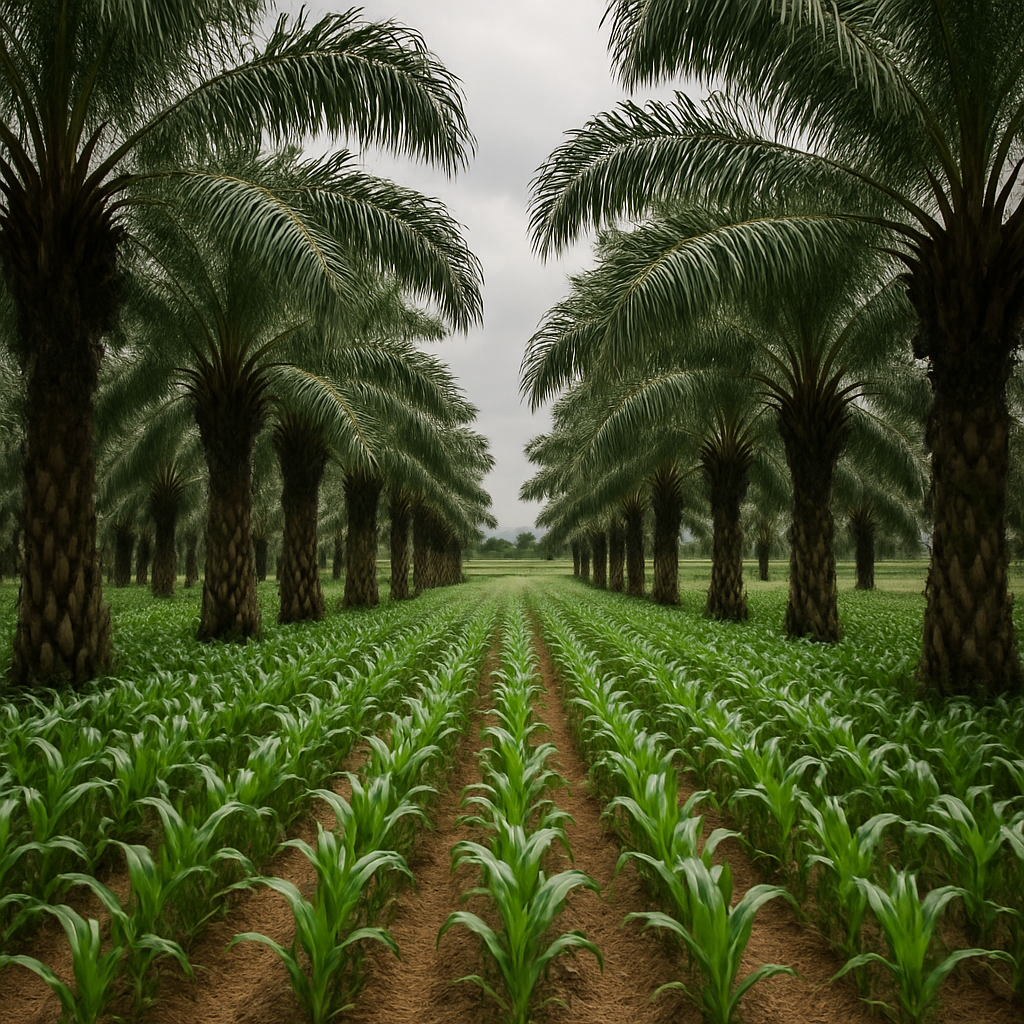
Plantation farming refers to a large-scale, organized method of cultivating crops—usually one primary crop—on extensive areas of arable land. In traditional arable systems, this style of agriculture is marked by commercial objectives, specialized hybrid techniques, and planned stages over several years. Unlike subsistence farming, where the goal is local consumption, plantation operations are highly structured and designed for maximum profit, often spanning across regions such as the American South, historical Mesopotamia, and countries like Nepal, Thailand, and Pakistan. Plantation systems have shaped both the economy and landscape, leaving a lasting legacy that reveals much about their evolution and continued importance.
The Origins and Old Models of Plantation Farming
The roots of plantation farming stretch back to the colonial era, notably with systems established in regions where arable land was abundant and labor, often coerced, was readily available. Early plantations grew staple crops such as sugar, cotton, and tobacco, all intended for commercial markets rather than local communities. Owners typically used a combination of imported techniques and indigenous knowledge to design the workflow, with crop selection based on soil, climate, and market demand.
Traditional plantation models heavily depended on mixed methods, including monoculture for profit maximization and occasional polyculture in transitional periods. The business plan often prioritized export, with estates meticulously mapping the profit per acre and long-term contractual agreements.
Visual records and historical pictures frequently show the scale of these farms, their terraces, arable stretches, and even how roots and trees were managed in commercial papaya farming or hybrid ventures. This structure was vital in regions with substantial commercial connections, as witnessed in old system plantations described by academic sources.
Primary Types and Crops in Plantation Systems
Modern plantations still follow certain categorization based on their primary crops—ranging from tree-based farming (such as rubber or commercial papaya) to row crops like cotton or tomatoes. Hybrid varieties and advanced cultivation techniques have gained popularity, especially in countries like Nepal and Thailand, where new cultivars such as vega f1 papaya contribute to higher profitability.
Types of plantations can be defined by their business goals: some focus solely on organic techniques, others employ contract farming, while a few prioritize vertical integration from the field to the marketplace. This variety allows plantation managers to adapt their business plan for each type, optimizing both yield and profit per acre.
Examples of traditional models can still be found in places such as the Southern United States and historical estates mentioned in encyclopedic references. Here, the advantages and disadvantages of each model become clear, whether using old terraces or more modern, dryland plantation methods.
Stages and Procedures: From Planning to Harvest
The process in a plantation system unfolds in well-defined stages. Initial planning involves land assessment, market analysis, and development of a detailed business plan outlining projected years to profitability. Selecting suitable hybrid or organic varieties ensures the chosen crop is both sustainable and profitable.
Vegetative propagation, especially in commercial tree plantations, plays a key role in maintaining genetic consistency and increasing yield. For crops like papaya or tomatoes, procedures include preparing the nursery, transplanting seedlings, and employing contour techniques to maximize soil and water efficiency.
Throughout the planting and cultivation stages, standardized worksheets and step-by-step guides help workers follow best practices. These include monitoring growth, handling pests organically or conventionally, and performing scheduled maintenance. The harvest procedure is another specified stage, with workers coordinating to ensure optimal product quality, enabling the plantation to reach its commercial targets.
This stepwise approach is part of what differentiates plantation agriculture from smaller, mixed subsistence models. The emphasis remains on efficiency, harmony with the earth, and the use of modern wisdom to maximize both yield and profit.
Subsistence Life versus Commercial Plantation Techniques
While plantation farming is inherently commercial, it often exists in dialogue with traditional subsistence life. Many arable models were once small family-run plots, gradually consolidated into larger estates. This transition brought a shift in both methods and objectives—where once the focus was simply achieving harmony with natural cycles, plantations now employ advanced techniques for significant commercial gain.
Hybrid contract techniques, vertical integration, and organic certification have become more common as modern plantation managers seek both environmental sustainability and profits. This new wave of practices offers benefits such as consistent quality, higher yields per acre, and improved resilience against environmental threats.
Despite these innovations, plantation systems do face challenges. Their large scale can sometimes lead to issues with sustainability or place pressure on local resources. Balancing long-term profit with environmental care has led to ongoing innovations in both policy and methodology.
Pictures and examples from around the world—whether in Nepal, Pakistan, the southern United States, or historical estates in Mesopotamia—demonstrate that plantation farming, while different in execution, remains linked by the shared goal of commercial arable production using evolving scientific wisdom and traditional knowledge.
The Legacy and Modern Relevance of Plantation Farming
The influence of plantation agriculture continues to shape many rural and urban regions worldwide. Modern business plans focus on the advantages and pros of hybrid and organic methods, alongside new contract models that link smallholders to larger commercial entities. The importance of plantations, both historically and today, is seen in their ongoing role in supplying staple crops and their place in economic models.
As vertical and terrace farming methods gain attention for their efficiency and earth-friendly designs, plantation systems incorporate these new approaches into old arable frameworks. The continual adaptation demonstrates that, despite changing technologies and market demands, plantation agriculture remains a vital, evolving field dedicated to resourceful land use and community development throughout the years.
To explore more about the history and iconic examples of plantation farming, consider reviewing History Illustrated's plantation farming breakdown for visual context and further explanation.
Plantation farming in traditional arable systems exemplifies how commercial intent, scientific advances, and agricultural wisdom can harmonize for sustained profit, resource management, and regional development.


Comments
Post a Comment