Protein Rich Foods For Hair Growth: Top Balanced Nutrition and Healthy Eating Tips
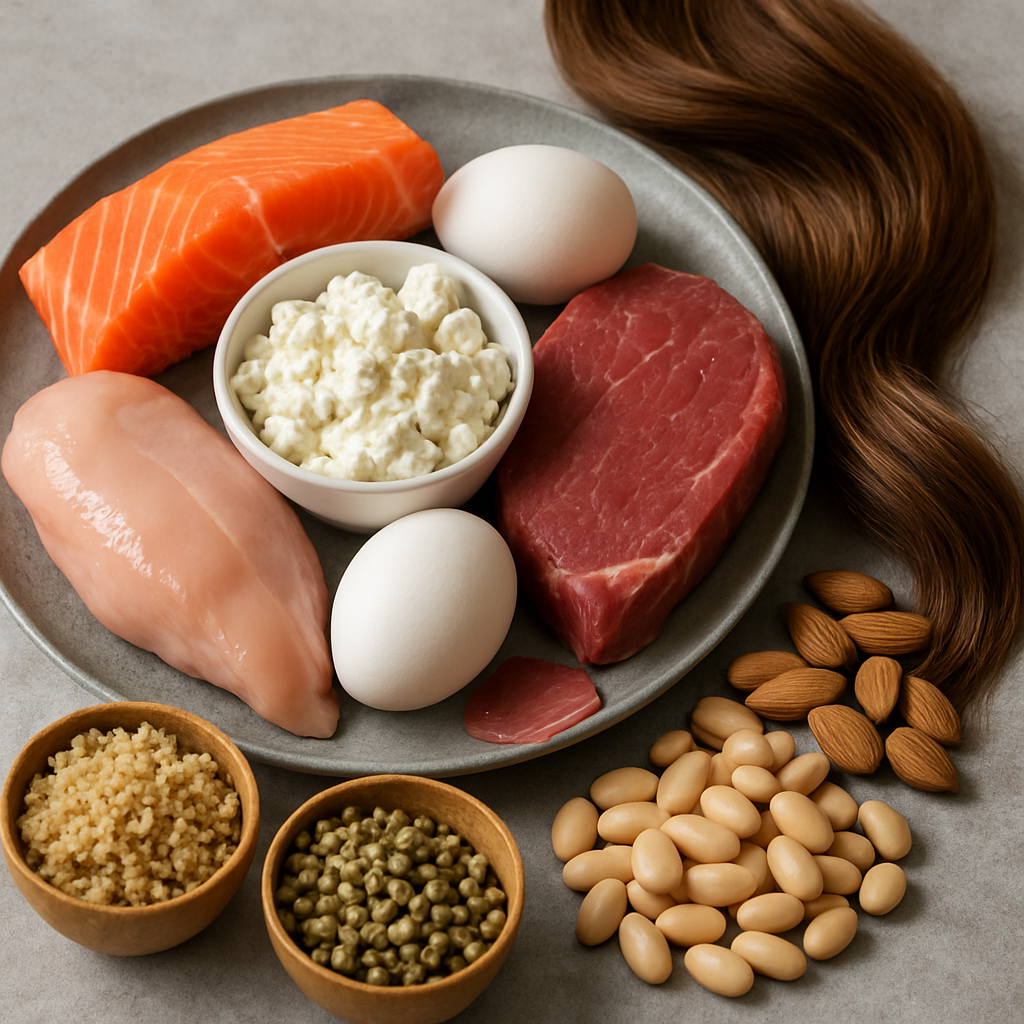
If you want to support healthy hair growth, focusing on a protein-rich diet is key. Hair is primarily made of keratin, a special protein, and getting adequate protein from diverse food sources delivers the essential amino acids your body cannot make on its own. Without enough protein, your strands may weaken or shed, but a well-balanced, nutrient-rich diet can help your hair grow longer, thicker, and more resilient. Below, we explore how incorporating the best protein sources, along with vitamins and minerals, fuels optimal hair health.
Nutritional Foundations for Strong Hair: Amino Acids and Balanced Eating
Protein is the foundation of hair structure, comprised almost entirely of keratin. To build keratin, your body relies on amino acids—some produced internally, but nine essential types must come from your diet. These amino acids are abundant in animal-based proteins and select plant-based foods.
Balanced nutrition requires more than protein alone. For healthy hair growth, combine protein-rich foods with other nutrients such as iron, vitamin C, zinc, biotin, and antioxidants. That means a varied, wholesome approach to food choices, not just focusing on one nutrient in isolation.
Common causes of thinning or weak hair include restrictive or fad diets. Severe reduction in protein intake, or following unbalanced vegetarian or vegan plans, can disrupt your hair’s growth cycle and lead to breakage or excessive shedding. Ensuring each meal contains a meaningful source of protein is a safe, science-backed starting point for supporting your hair’s natural strength and shine (Everyday Health).
Best Food Sources: Animal and Plant-Based Protein Options
Both animal and plant-based foods offer excellent protein for boosting hair growth. Many animal-based foods provide the full spectrum of essential amino acids your hair requires, while a variety of plant foods supply healthy protein alongside fiber, minerals, and antioxidants. The most effective approach is to regularly eat a mix of both.
Top animal-derived protein sources include:
- Fish (such as salmon, tuna, and sardines)
- Lean poultry like skinless chicken and turkey
- Eggs
- Low-fat dairy products (yogurt, cottage cheese)
- Red meat in moderation (provides easily-absorbed iron and protein)
For plant-based diets or those looking for variety, excellent choices are:
- Legumes (beans, lentils, chickpeas)
- Nuts and seeds (almonds, walnuts, chia, flax)
- Whole grains (quinoa, whole-wheat pasta, brown rice)
- Soy products (tofu, tempeh, edamame)
Including several sources daily helps ensure you meet your protein needs while also boosting intake of supportive nutrients like zinc and iron (Healthline).
How a Protein-Rich Diet Supports Hair Thickness and Prevents Loss
Once digested, dietary protein breaks down into amino acids that are reassembled in the scalp to form keratin—the main building block for each strand. An ongoing supply of dietary protein helps maintain normal hair cycle phases, pushing more follicles into the active growth stage and preventing early activation of the shedding phase.
Research and clinical observation confirm that insufficient protein (or deficiencies in certain amino acids) can directly lead to thinning hair, brittle texture, and even patchy hair loss. Over time, insufficient intake reduces hair’s thickness and ability to recover from everyday stress.
Some individuals—such as those on calorie-restricted diets, vegans/vegetarians, or those with underlying digestive issues—are at a higher risk for protein-related hair issues. It’s important for these groups to closely track protein intake and diversify their protein sources for optimal results (LA Hair MD).
Monitoring progress, including observing hair’s shine, fullness, and reduced shedding, can indicate dietary changes are working. If loss persists, consult a healthcare provider for a targeted approach.
Key Nutrients to Combine With Protein for Complete Hair Health
While protein is essential, several vitamins and minerals work synergistically to further enhance hair growth and protect against breakage. These include:
- Iron: Carries oxygen to hair follicles; found in meat, beans, and spinach.
- Zinc: Supports hair tissue repair and endurance; abundant in seeds, nuts, and shellfish.
- Biotin: Essential for keratin production, often associated with hair quality.
- Vitamin C: Enhances iron absorption and collagen production.
- Antioxidants: Combat oxidative stress at the scalp, protecting hair follicle cells.
A balanced plate—incorporating these along with protein-rich foods—creates an environment in which hair can grow its healthiest, fullest, and most resilient.
Supplements may be beneficial if deficiencies are proven, but for most people, food sources are the safest and most effective way to provide comprehensive nutrition for your hair.
Always aim for a whole-food approach before turning to powders, concentrates, or pills, unless specifically directed by your physician or dermatologist.
Tips for Incorporating Protein Into Vegetarian and Vegan Diets
Those following plant-based lifestyles can absolutely achieve vibrant, healthy hair with mindful planning. Focus on diversity, combining multiple plant proteins throughout the day to ensure a complete amino acid intake.
Key vegan and vegetarian protein sources include lentils, black beans, chickpeas, quinoa, chia seeds, hemp, walnuts, and soy-based products. Pairing grains with legumes—such as rice and beans—helps round out amino acid profiles for improved keratin synthesis.
Monitoring portion size matters as well. Aim for at least 0.8 to 1 gram of protein per kilogram of body weight each day, adjusting for higher needs during periods of rapid hair loss or recovery (Everyday Health).
If you notice increased shedding, thinning, or changes in texture, consult with a registered dietitian familiar with vegetarian or vegan nutrition to personalize your plan and ensure comprehensive coverage of protein, iron, zinc, and other nutrients.
Prioritizing regular meals that each contribute a protein source is an efficient way to protect and reinforce hair structure on plant-based diets.
In summary, prioritizing a diet rich in both animal and plant-based protein sources, paired with essential vitamins and minerals, is a powerful, evidence-backed strategy to promote optimal hair growth and reduce the risk of hair loss.


Comments
Post a Comment