Iodized Salt For Thyroid Health: Hormones, Iodine Absorption, and Normal Panel Ranges
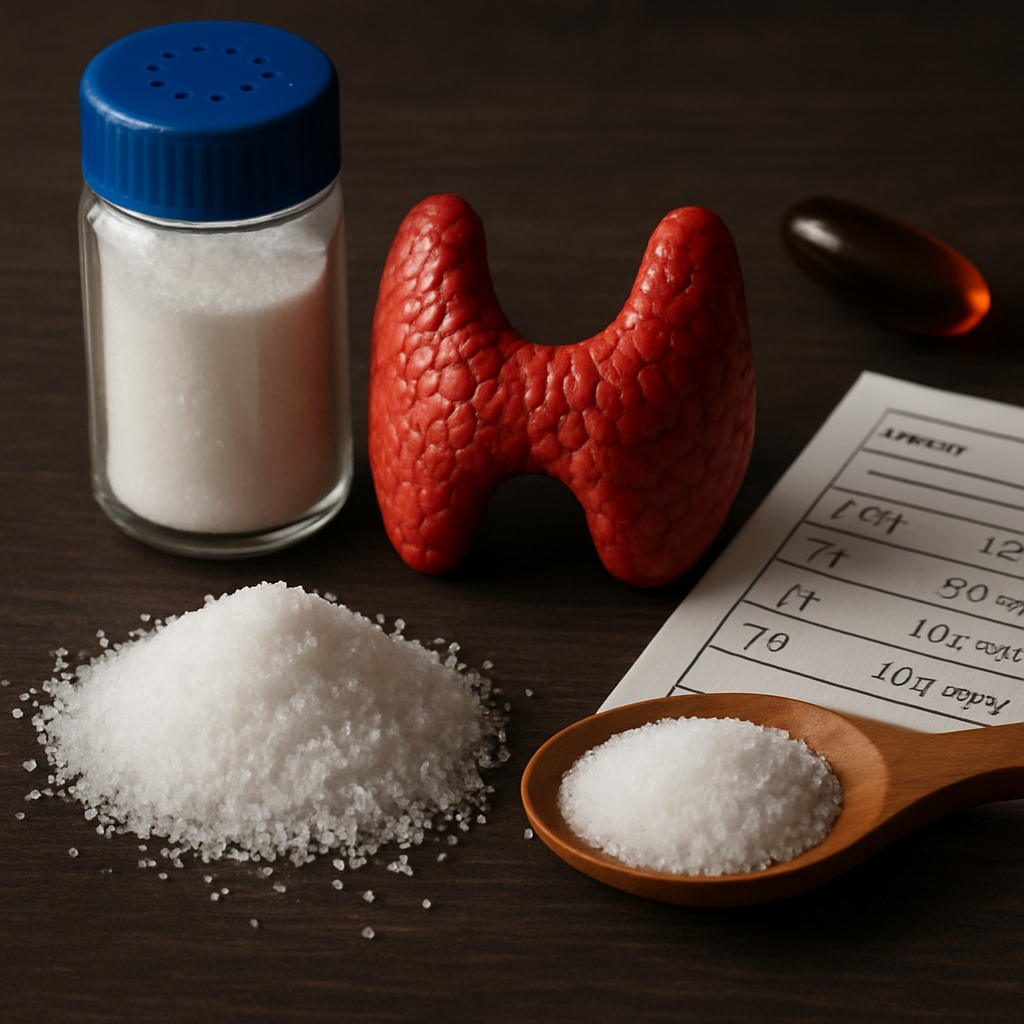
Iodized salt is a foundational dietary component for supporting optimal thyroid health because it supplies the essential mineral iodine, which is critical for thyroid hormone production and function. The thyroid gland absorbs iodine from iodized salt to synthesize vital hormones such as thyroxine (T4) and triiodothyronine (T3). Proper iodine intake can help maintain normal thyroid panel ranges and ensure the body regulates metabolism, growth, and energy effectively. Understanding how iodized salt influences hormones, how iodine is absorbed, and how these factors reflect in thyroid blood work is invaluable for anyone concerned about thyroid wellness.
The Role of Iodine in Thyroid Hormone Synthesis
Iodine is integral to the synthesis of thyroid hormones. The thyroid gland's follicular cells specifically use dietary iodine, primarily obtained from iodized salt, to create T3 and T4. This process depends upon efficient transport and oxidation of iodide in thyroid tissue. Without adequate iodine, hormone production can falter, leading to symptoms of hypothyroidism.
Iodized salt helps ensure populations receive consistent iodine intake, preventing iodine deficiency disorders. The connection between iodine status and thyroid hormone synthesis underscores why worldwide public health bodies recommend iodized salt as an important preventive measure.
Scientific sources, such as those found on Amazon product listings, highlight the importance of supplementing key micronutrients to support healthy thyroid hormone function. These products often combine iodine with nutrients like selenium, vitamin A, and zinc to optimize hormone synthesis and cellular metabolism.
Hormones released from the thyroid include both T4 and T3, which circulate to nearly every organ system in the body, further highlighting the importance of sufficient dietary iodine from sources like iodized salt.
Absorption and Utilization of Iodine From Iodized Salt
The absorption of iodine from iodized salt is highly efficient when gastrointestinal health is normal. Once ingested, iodide is rapidly absorbed in the stomach and upper intestine and then taken up by the thyroid gland. The sodium-iodide symporter transports iodide into thyroid follicular cells, where it undergoes enzymatic oxidation to participate in hormone synthesis.
Enzyme systems, such as thyroid peroxidase, facilitate the oxidation of iodide and the binding of iodine to tyrosine residues within thyroglobulin. This intricate process is susceptible to disruption if dietary iodine is limited or if there are issues with absorption.
The body's ability to utilize iodine can be influenced by competing dietary substances or certain medications. Having adequate iodized salt intake can help overcome these challenges and protect normal thyroid hormone production.
Diets lacking in iodine pose a significant risk for thyroid dysfunction and goiter, particularly in iodine-deficient regions. This is why many governments mandate the fortification of common table salt with iodine.
Understanding Thyroid Panel Ranges and What Blood Tests Reveal
Thyroid-related blood tests are a primary way to assess how well iodine and other thyroid-supporting nutrients are performing their roles. Normal thyroid panel ranges generally include measurements of TSH (thyroid stimulating hormone), free T4, free T3, and sometimes thyroid antibodies (such as TPO).
Iodine intake from iodized salt directly affects these laboratory values. Inadequate iodine can elevate TSH as the body signals the thyroid to produce more hormones, while sufficient intake keeps both TSH and thyroid hormone levels within standard reference ranges. Abnormalities in these tests can signal issues with iodine absorption or underlying autoimmune disease.
Resources such as Dr. Brighten's thyroid support guide stress the importance of observing thyroid panel results in the context of micronutrient status. Dietary changes or supplementation, including the use of iodized salt, may be recommended if test results are out of range.
Regular monitoring of thyroid panels assists in identifying deficiencies early, allowing for timely dietary adjustments to restore optimal thyroid function and overall health.
Maintaining Healthy Iodine and Thyroid Levels Through Diet
Besides using iodized salt, incorporating other sources of iodine in the diet—such as dairy, eggs, and certain seafood—can help promote normal thyroid function. Balance is key: while iodine deficiency can harm the thyroid, excessive iodine may also cause dysfunction in sensitive individuals, particularly those with underlying autoimmune thyroid conditions.
Women, especially during pregnancy, have an increased need for iodine to support fetal brain development and the mother's thyroid function. Adjusting iodine intake to meet these changing needs can have lasting benefits for both mother and child.
People with hypothyroidism should talk to a healthcare provider about their iodine status, as excess supplementation is not always appropriate when thyroid hormone replacement therapy is in use.
Key Takeaways on Iodized Salt, Hormones, and Thyroid Health
Iodized salt remains an effective, accessible strategy for ensuring sufficient iodine intake and supporting healthy thyroid hormone production. Understanding the interplay between iodine absorption, hormone synthesis, and thyroid panel ranges can empower individuals to make informed choices about their nutrition and health monitoring.
By maintaining optimal iodine intake and recognizing how it impacts hormone balance and lab results, you can take actionable steps toward sustained thyroid wellness and overall metabolic health.


Comments
Post a Comment