Elevated Liver Function Test Icd-10: Understanding Hepatic Panel Results and Health Impact
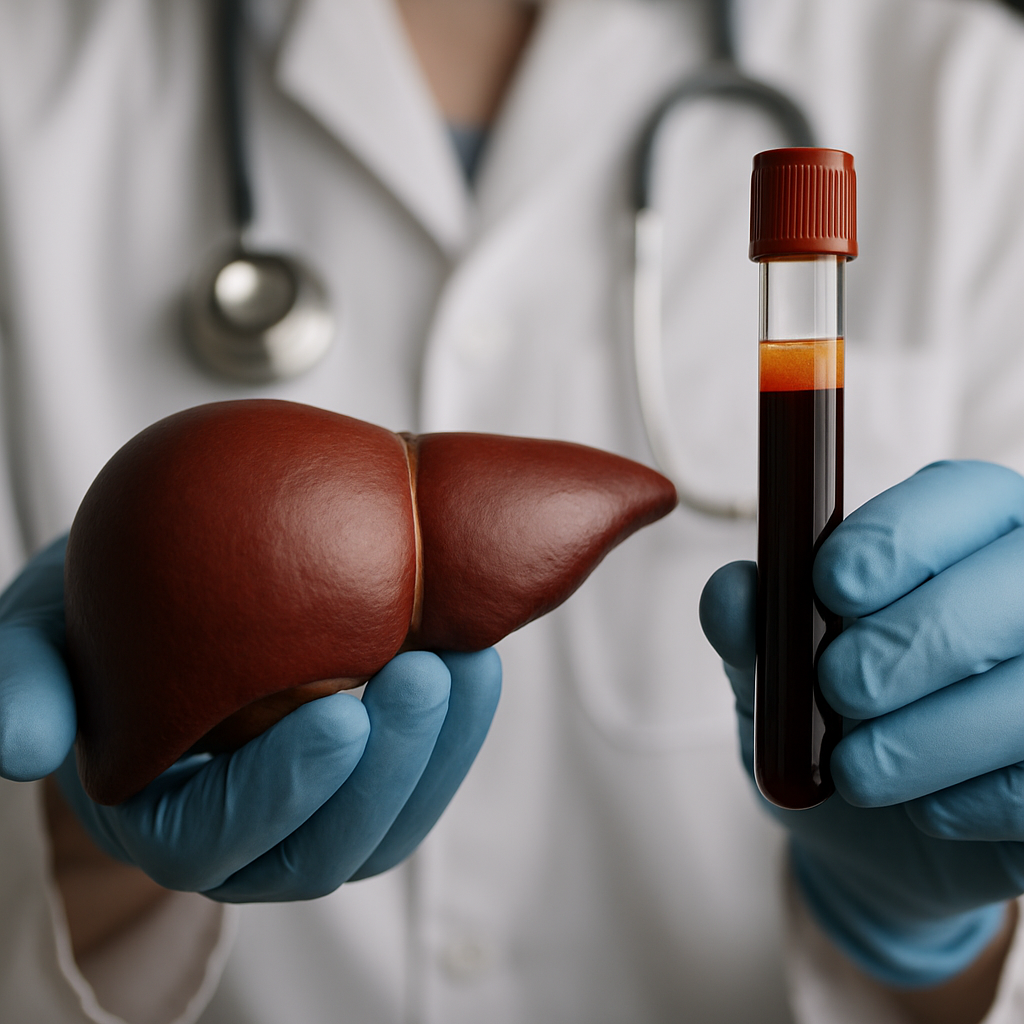
Quick Guide: Elevated Liver Function Test ICD-10 and Hepatic Panel Interpretation
When discussing an elevated liver function test (LFT), the corresponding ICD-10 code is crucial for medical records and insurance. The ICD-10 code commonly used for abnormal liver function tests is R94.5, which covers abnormal results of liver function studies. Elevated results typically indicate potential liver issues, which may range from acute injury to chronic disease, making accurate diagnosis and coding essential for patient management and follow-up.
Understanding what these elevated results mean is vital for both practitioners and patients. Tests within a hepatic panel include ALT, AST, alkaline phosphatase, and bilirubin. Interpretation of these results helps clinicians determine the degree of liver inflammation or damage, assess possible underlying causes such as viral hepatitis, fatty liver, or medication effects, and guide further testing or treatment plans. An elevated hepatic panel result should always be discussed with a healthcare professional for a comprehensive diagnosis.
Common Causes of Elevated Hepatic Panel Markers
Various conditions can lead to abnormal LFT results. Viral hepatitis (types A, B, and C) often presents with significantly increased ALT and AST. Alcoholic or nonalcoholic fatty liver disease also frequently causes mild to moderate LFT elevations. In some cases, adverse drug reactions, such as those from statins or acetaminophen, can result in rapid increases in liver enzymes and require urgent intervention.
Autoimmune liver conditions, such as autoimmune hepatitis or primary biliary cholangitis, may also be to blame. Early identification is crucial since these diseases can progress without treatment. Additionally, metabolic conditions like hemochromatosis or Wilson's disease can secretly raise LFT markers over time.
Heart failure and infiltrative diseases such as lymphoma can impact the liver and give misleadingly high hepatic panel numbers. The diversity of causes highlights the importance of a thorough evaluation for any persistent elevation detected on routine screening or acute illness testing.
Finally, temporary increases in LFTs may appear after intense exercise, injectable medications, or even acute infections unrelated to the liver.
Kidney Function vs. Liver Panel: Key Differences in Interpretation
While both kidney and liver panels monitor organ function, their interpretation and clinical relevance differ substantially. A kidney function panel primarily evaluates creatinine and blood urea nitrogen (BUN), which signal filtration efficiency and possible renal impairment, while a hepatic panel monitors enzyme activity and substance clearance related to the liver.
Elevated values in a hepatic panel may indicate acute injury or chronic liver disease, whereas kidney test elevations suggest reduced filtration or possible kidney failure. Both panels can be affected by systemic illness, medications, or multi-organ dysfunction, but the ICD-10 codes assigned and medical approach will differ accordingly.
Cross-referencing both sets of lab results enhances clinical decision-making, especially in patients with multi-organ risk due to underlying medical conditions or acute illness. Prompt recognition of patterns can help prioritize further investigation and referrals.
Role of Thyroid and Vitamin D in Liver Test Interpretation
Thyroid dysfunction can subtly influence liver enzyme levels, complicating the assessment of test results. Hypothyroidism may elevate transaminases, while hyperthyroidism occasionally also affects hepatic processing. Evaluation for thyroid-supporting medications or ongoing endocrine disorders is often part of a workup for unexplained LFT increases.
Vitamin D deficiency, meanwhile, frequently coexists with chronic liver disease, as the liver is responsible for hydroxylation, a necessary step in vitamin D metabolism. In cases of persistently increased LFTs, clinicians may also check vitamin D status and adjust supplementation as needed. Tracking all relevant markers can provide clues for further targeted testing or specialist referral.
Autoimmune conditions impacting peroxidase antibodies and other health markers can complicate the lab profile, reinforcing the need to work collaboratively with specialists to reach an accurate diagnosis.
Thoroughly evaluating any secondary endocrine or nutritional disorder may also optimize long-term care plans for patients with recurrent hepatic panel abnormalities.
Reporting, Reimbursement, and Monitoring: ICD-10 Coding and Next Steps
Correct ICD-10 coding, such as R94.5 for abnormal LFTs, ensures accurate reimbursement, clinical tracking, and facilitates communication across care teams. Always reference official sources such as this Cambridge Dictionary entry for 'elevated' or guidance from medical billing resources for comprehensive documentation.
When encountering elevated test results, prompt follow-up testing—such as imaging, additional serology, or referral to hepatology—may be warranted. Repeating a hepatic panel after an acute event is common practice to confirm normalization or monitor for chronicity. Accurate documentation supports both patient outcomes and healthcare compliance requirements.
For additional context and alternative terminology, referencing resources like Merriam-Webster will offer insights on clinical definitions and word use in medical contexts.
Careful monitoring, proper ICD-10 reporting, and coordinated care help protect long-term liver health and promote optimal clinical management for patients encountering elevated hepatic panel results.


Comments
Post a Comment